Quick Nav
- Why PayPal Casino Payments Need Extra Care
- PayPal Products Mentioned in Older Casino Checkout Guides
- How a PayPal Casino Payment Flow Works
- Security Basics: SSL, IPN Checks, and Order Controls
- If You Are Reading Old PayPal Button and PHP Guides
- Offshore Merchant Accounts and High-Risk Processing
- Scope and Limitations: What This Guide Cannot Confirm
- Player Checklist Before Using PayPal
Why PayPal Casino Payments Need Extra Care
Australian adults researching real-money casino or pokies payments often look for familiar digital wallets. The editorial decision is clear—separate payment convenience from operator trust. PayPal operates as a payment processor, but its availability for gambling-related transactions depends heavily on jurisdiction, merchant category approval, individual account permissions, and the gambling operator's specific processor setup.
This guide helps you assess those payment mechanics. It is not a recommendation to use unlicensed offshore gambling sites, nor does it guarantee that this specific wallet will be available at any given casino. A visible wallet logo on a review page is not proof that deposits or withdrawals are active in the cashier. Current reader checks should be framed across a 2023-2025 verification window because casino cashier wording, account terms, licensing pages, and payment-provider documentation change frequently within that span.
Older payment-button, hosted-checkout, and PHP-script language still appears in archived guides. We use that 2009 legacy source context here only to explain why those terms persist and how modern casino cashiers handle the actual transaction flow today.
PayPal Products Mentioned in Older Casino Checkout Guides
If you dig into payment processing history, you will find references to various checkout products. Understanding these legacy terms helps clarify what a casino cashier is actually doing behind the scenes.
Website Payments Standard in older guides meant the buyer left the merchant site, authenticated on the wallet-hosted page, and was returned to a merchant URL after payment. This redirect approach kept sensitive data off the merchant's servers. In contrast, Website Payments Pro meant the merchant could collect credit card details directly on its own site. This higher-control option shifts significantly more security and compliance responsibility onto the merchant.
You might also see mentions of PayFlow Pro. This was a gateway or merchant-account processing route historically linked to an earlier payment-gateway owner, Verisign, before later platform ownership changes. It represents a technical routing solution, not a blanket gambling approval. Similarly, references to Google Checkout, ClickBank, and ProfitPHP belong to the 2009-era software and payments ecosystem and should not be treated as current casino payment availability signals.
Key Takeaway: For a player, the practical distinction is not the legacy product label. The critical factor is whether the live cashier supports deposits, withdrawals, refunds, identity checks, and dispute handling for the player's specific location.
How a PayPal Casino Payment Flow Works
A modern casino payment flow operates as a sequence of system decisions rather than a magic success screen. When a player chooses a digital wallet, the casino sends an amount and a transaction reference to the processor. The player authenticates with the wallet provider, approves the charge, and the payment outcome is returned to the merchant system.
During this process, the customer is sent back to the casino via a Return URL. This browser redirect destination can show a confirmation page, but it should never be treated as settlement proof by itself. Instead, the casino relies on a server-to-server message to confirm the payment status independently from the returning customer browser. You can read more about this mechanism in the PayPal Instant Payment Notification documentation.
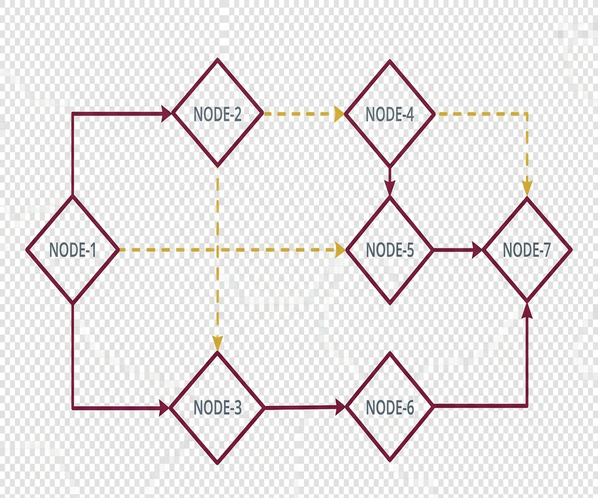
A legitimate casino deposit record must be keyed to a confirmed transaction status, the exact amount, the currency, the account ID, and an internal cashier reference. For gambling payments, bonus eligibility and withdrawals tie directly to these confirmed internal ledger records, not just to a player seeing a success page.
Warning: Consider a common failure case: a player sees a success page after checkout, but the server-side payment notification fails or the amount does not match; the casino should not credit the deposit until the transaction is confirmed in its back-end records.
Security Basics: SSL, IPN Checks, and Order Controls
Security requires layered controls. Encrypted transport comes first, followed by server-side payment validation, and finally order-fulfilment safeguards. SSL/TLS is the required certificate layer for HTTPS pages that handle credit card details, login credentials, cashier sessions, or personal account information.
The checkout method dictates the security burden. Redirect-based wallet checkout keeps sensitive card entry away from the casino site entirely. On-site credit card handling raises the security and compliance burden for the operator significantly.

IPN validation acts as the next layer. The merchant system must verify that the notification is genuine, that the status is final enough for fulfilment, that the gross amount and currency match the order exactly, and that the transaction has not already been credited.
Legacy digital download scripts handled fulfilment differently. They used dynamic file naming, embedding a buyer name, order reference, or identifier into the generated file name to discourage casual sharing. Download tracking would log the order ID, the file requested, the timestamp, the IP address, and the access outcome without inventing automatic fraud thresholds. Casino cashiers apply similar tracking principles to deposit sessions to monitor for suspicious activity.
If You Are Reading Old PayPal Button and PHP Guides
Search queries like 'How to Get Paid With Paypal Buttons' and 'Take Orders on the web using PHP and pay' often lead to outdated tutorials. Older PHP-hosted scripts commonly combined hosted payment buttons, a Return URL, and IPN handling to mark an order as paid and trigger fulfilment. These scripts required a server environment capable of running PHP and receiving inbound server notifications at a stable URL.
A simple digital-delivery checkout might fulfil one file or license immediately after payment confirmation. A casino cashier faces a much higher operational burden. It must handle identity verification, responsible-gambling controls, AML checks, chargeback handling, complex bonus logic, and manual withdrawal reviews.
A 2009-era script should never be copied into a live real-money environment. Doing so without rigorous code review, patched dependencies, current TLS configuration, provider approval, and fraud-control testing invites severe vulnerabilities.
Warning: Another critical failure case: an old PHP button script marks an order paid after a Return URL visit, allowing fulfilment even if the customer abandons, reverses, or fails the payment.
Offshore Merchant Accounts and High-Risk Processing
Older guides frequently mention offshore merchant accounts and high-risk merchants. Mainstream processors often decline or restrict certain businesses, prompting older tutorials to group adult websites, new businesses, and gambling-adjacent operators together as difficult-to-underwrite entities. Providers like acceptchecksnow.com appear in historical source contexts for this reason, but naming them here does not constitute a current endorsement or availability claim.
Offshore processing introduces substantial friction. It can add legal uncertainty, foreign-currency conversion fees, chargeback complexity, account-freeze exposure, delayed withdrawals, and weaker customer-support escalation paths for both operators and customers.
Australian readers must verify the gambling operator's licensing page, the terms for Australian customers, the withdrawal rules, and the processor disclosure before depositing. Mainstream payment branding should be treated as one signal only—ownership transparency, licensing scope, cashier terms, and withdrawal history are more important indicators of a reliable operator.
Scope and Limitations: What This Guide Cannot Confirm
Because this article discusses multiple authority-sensitive payment concepts alongside historical product names, we must define its limits. This guide explains terminology, flow risks, and consumer checks. It cannot confirm whether PayPal, Website Payments Pro, PayFlow Pro, ClickBank, Google Checkout, or any specific merchant provider currently supports a named casino.
The 2009 publication context means some product names, workflows, and provider recommendations are potentially outdated, renamed, discontinued, restricted, or moved into entirely different approval processes.
Readers should check four live sources before relying on a payment route: the casino cashier, the wallet account terms, the operator licensing information, and the payment-provider documentation. These policy checks should be repeated before depositing and again before a first withdrawal, as cashier availability and withdrawal method rules frequently differ.
While my background includes formal AML/CTF compliance training, this guide provides technical payment literacy rather than legal advice on Australian interactive gambling law. It does not confirm that any real-money gambling site is lawful for a specific Australian user.
Player Checklist Before Using PayPal
Converting these technical payment concepts into a practical pre-deposit decision path protects your funds. You must first confirm availability, then check withdrawal consequences, and finally assess account safety and gambling limits.
Be aware of context-dependent variation: one casino may support a wallet for deposits only, while another may allow withdrawals only after identity verification and internal review.
Pre-deposit checks for Australian players using a wallet at an online casino
- Open the casino cashier while logged in and confirm the wallet option appears for your account location.
- Check whether the method is available for deposits, withdrawals, or both.
- Review fees, currency conversion wording, minimum and maximum transaction amounts, and processing-time language.
- Check bonus restrictions and identity-verification triggers before confirming a deposit.
- Save the payment confirmation, casino transaction ID, date, amount, currency, and account-history entry after each deposit.
- Compare wallet records against casino account history after the transaction posts, and investigate any mismatch before making another deposit.
Pro Tip: Always verify the exact currency being processed. A deposit displayed in AUD on the casino site might be processed in USD by the offshore merchant account, resulting in unexpected conversion fees from your wallet provider.