What SSL Actually Tells You About a Casino Site
I examine casino payments from deposit to withdrawal, and the first security signal I check is the connection itself. Before you type an email address or card number into a registration page, look at the address bar. The browser should show HTTPS and display no certificate warnings. The domain must match exactly—attackers often register lookalike spellings with a low Levenshtein distance to the real brand, add an extra hyphen, or use an unfamiliar subdomain.
Inspect the certificate information panel. Confirm the certificate is issued for the same hostname you are visiting, including the correct subdomain if the cashier opens in a separate window. Publicly trusted TLS certificates have been restricted by browser and certificate-authority rules to a maximum validity period of about 398 days since September 2020. Therefore, an expired-certificate warning is a current operational fault rather than a harmless cosmetic issue. A certified connection protects the data in transit.
Key Takeaway: A fake casino login page can still use HTTPS if the attacker controls the lookalike domain. Encryption protects the connection to the fake site but does not authenticate the business behind it. SSL confirms an encrypted connection, not that the casino is licensed, fair, solvent, or suitable for Australian players.
Run This Pre-Deposit Security Check Before Creating an Account
Move from connection security to operator verification. Capture the exact domain before creating an account. Check the footer for the legal operator name, licensing jurisdiction, contact route, privacy policy, and responsible gambling page. Read the payment terms and scan the withdrawal conditions.
Withdrawal rules should identify the minimum withdrawal amount, document requirements, pending-period rules, processing windows, and whether withdrawals must return to the original deposit method. Bonus terms matter heavily for transaction safety. Review the wagering multiple, eligible games, maximum bet while wagering, excluded payment methods, and maximum cashout cap. You must also check if identity verification is required before a withdrawal.
Bonus expiry windows commonly appear as a fixed number of days from activation. Record the exact start time and expiry date shown in the casino account rather than relying on memory. ProfitPHP compares visible cashier pages and published payment terms, but you must verify these details yourself.
Build a Casino Account That Is Harder to Take Over

Use a unique password for every gambling account. Never reuse an email-and-password pair from shopping, streaming, social media, or old gambling accounts. Where available, enable multi-factor authentication using an authenticator app or passkey. The Australian Cyber Security Centre guidance on multi-factor authentication treats MFA as a core account-protection control.
Do not save casino passwords on shared laptops, public computers, work devices, family tablets, or browsers synced to another person’s account. A good recovery path involves confirming the linked email inbox has its own strong password and MFA. Ensure your mobile number is current and backup codes are stored somewhere offline. Review casino-account recovery details before the first deposit and again before requesting a withdrawal after a 3-month to 6-month inactive period.
Compare Payment Methods by Control, Speed, and Exposure
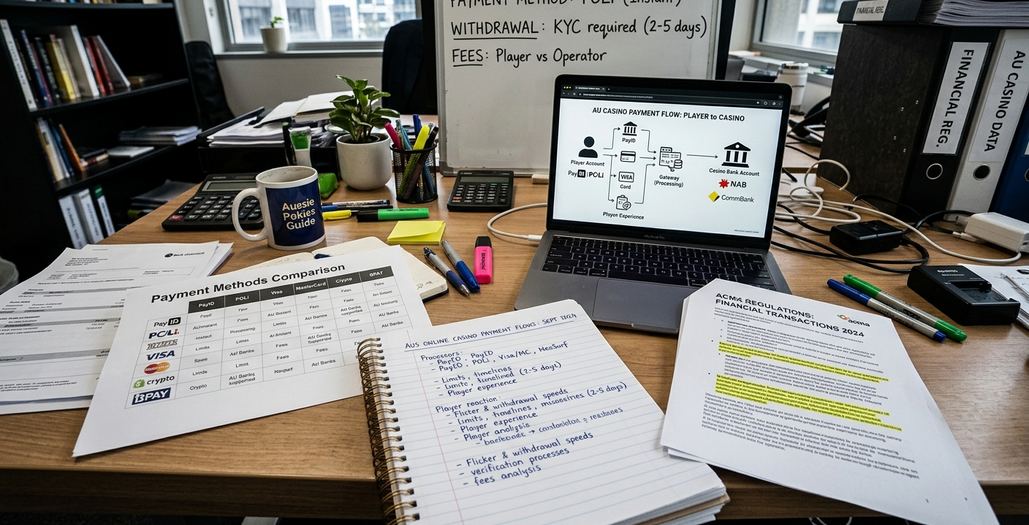
Compare payment categories by risk and exposure. Debit cards mean the casino or its payment processor receives card-related payment data. Deposits are usually easy to track on bank statements. Chargeback rights depend on card-network rules, issuer assessment, gambling-code treatment, and whether the player authorised the transaction.
E-wallets separate casino spending from a primary bank account. Historically, early merchant account solutions like PayFlow Pro (before Verisign sold it) paved the way for modern processors like PayPal to handle complex routing. Today, you must check wallet fees, account limits, supported currencies, and whether the casino allows withdrawals back to the same wallet. In production monitoring of payment gateways, legacy parameters like _xclick sometimes appear in URLs, indicating standard cart integrations.
Bank transfers expose your bank account details in transaction records and may take longer to clear. Reversals are generally harder once an authorised transfer has been processed. Prepaid vouchers reduce exposure of bank-card details at deposit, but many are deposit-only and make refund handling less direct.
Crypto transfers are generally irreversible after broadcast and confirmation—address mistakes, copied-address malware, exchange delays, token-network mismatches, and volatility make this unsuitable for players who want simple recourse.
Pro Tip: Fast deposits do not guarantee fast withdrawals. Casinos may still require KYC checks and pending-period processing.
Use Deposit and Withdrawal Habits That Reduce Exposure
Set a fixed gambling budget before depositing. Separate entertainment funds from rent, mortgage, utilities, groceries, savings, loan repayments, and credit-card obligations before any deposit is made.
Many players initially try depositing large amounts immediately to claim maximum bonuses. This frequently fails when unexpected verification blocks the subsequent withdrawal, so the safer approach switches to making a small test deposit at an unfamiliar casino first. A test deposit confirms the cashier credits funds correctly, the account ledger records the transaction, and support can explain the withdrawal route.
Complete identity verification early. Common verification requests include government-issued photo ID, proof of address, payment-method ownership evidence, and source-of-funds information. Proof-of-address documents are often required to be recent, commonly within a 90-day window. Check the exact rule in the casino’s verification page. Save deposit receipts, withdrawal request IDs, cashier screenshots, bonus activation time, chat transcripts, email replies, and timestamps in local time.
Red Flags That Mean You Should Pause the Transaction
Stop the transaction if you observe connection red flags. These include a browser certificate warning, an HTTP cashier page, a domain that does not match the reviewed site, a misspelled brand name, an unexpected redirect, or a payment page hosted on an unexplained domain.
Operator-detail red flags include a missing legal entity, missing licence details, broken terms pages, a contact page with only a web form, a privacy page that does not identify the data controller, or an inaccessible responsible gambling page.
Payment red flags involve requests to send funds to a personal bank account, manual transfer instructions that differ from the cashier, a changed crypto wallet address without a clear in-account reason, or pressure to deposit before reading the terms.
Warning: Customer support should never ask for your full card number, online banking password, one-time code, authenticator code, seed phrase, wallet private key, remote-device access, or screen-sharing during payment.
Withdrawal red flags include unexpected extra verification only after a withdrawal request, moving withdrawal targets, requests to cancel and redeposit, unexplained fee demands, or instructions to bypass the normal cashier process.
What These Security Checks Cannot Guarantee
SSL, unique passwords, MFA, careful payment choice, early verification, and recordkeeping reduce specific risks such as interception, credential theft, mistaken payment, and poor evidence trails. They do not guarantee winnings, withdrawal approval, bonus eligibility, continued payment-method availability, operator solvency, or a favourable dispute outcome.
Casino terms, payment routes, withdrawal limits, verification standards, and licensing information can change between the date an article is read and the date a player deposits. Recheck the current cashier and terms within 24 hours before sending funds.
While our methodology evaluates cashier infrastructure at the time of review, payment routing and verification thresholds remain entirely at the operator's discretion. Gambling is paid entertainment for adults, not income generation or a solution to financial pressure.
Quick Checklist Before You Deposit Real Money
Use this routine before registering, depositing, or withdrawing.
- Before registration: Confirm HTTPS, correct domain, no browser warning, visible operator details, contact information, privacy policy, responsible gambling page, and readable terms.
- Before deposit: Confirm payment fees, minimum deposit, withdrawal method, withdrawal minimum, pending period if any, KYC requirements, bonus restrictions, and whether the chosen payment method can receive withdrawals.
- Before withdrawal: Confirm the account email is accessible, MFA is active where available, identity documents are ready, payment method ownership can be proven, and transaction records are saved.
If the domain, operator identity, payment terms, or withdrawal rules cannot be verified from the live site, pause before sending funds. Australian adults should gamble only with money they can afford to lose and seek help if gambling stops feeling controlled.